
Digital euro: a new payment method in Europe?
As cash continues to decline, the European Central Bank has launched a digital euro project. The project aims at creating a digital currency common to the entire eurozone. What would this currency be used for? How would payments in digital euros work? What does it offer that credit cards or cash do not? These are some key questions to answer while waiting to find out whether the digital euro will find its way into our wallets.
What is the digital euro?
The digital euro is a project by the European Central Bank (ECB) to create a virtual currency. It would be a new, fully digital means of payment in Europe, designed to be easy for everyone to use, whilst ensuring a high level of privacy.
In recent years, the payment habits of European consumers have changed significantly. Digital payments using a bank card or smartphone are overtaking traditional coins and banknotes. But in a payments market dominated by private and foreign players, the digital euro would be a European public alternative. Unlike cryptocurrencies, this new currency would be directly issued and guaranteed by the ECB, just as cash is.
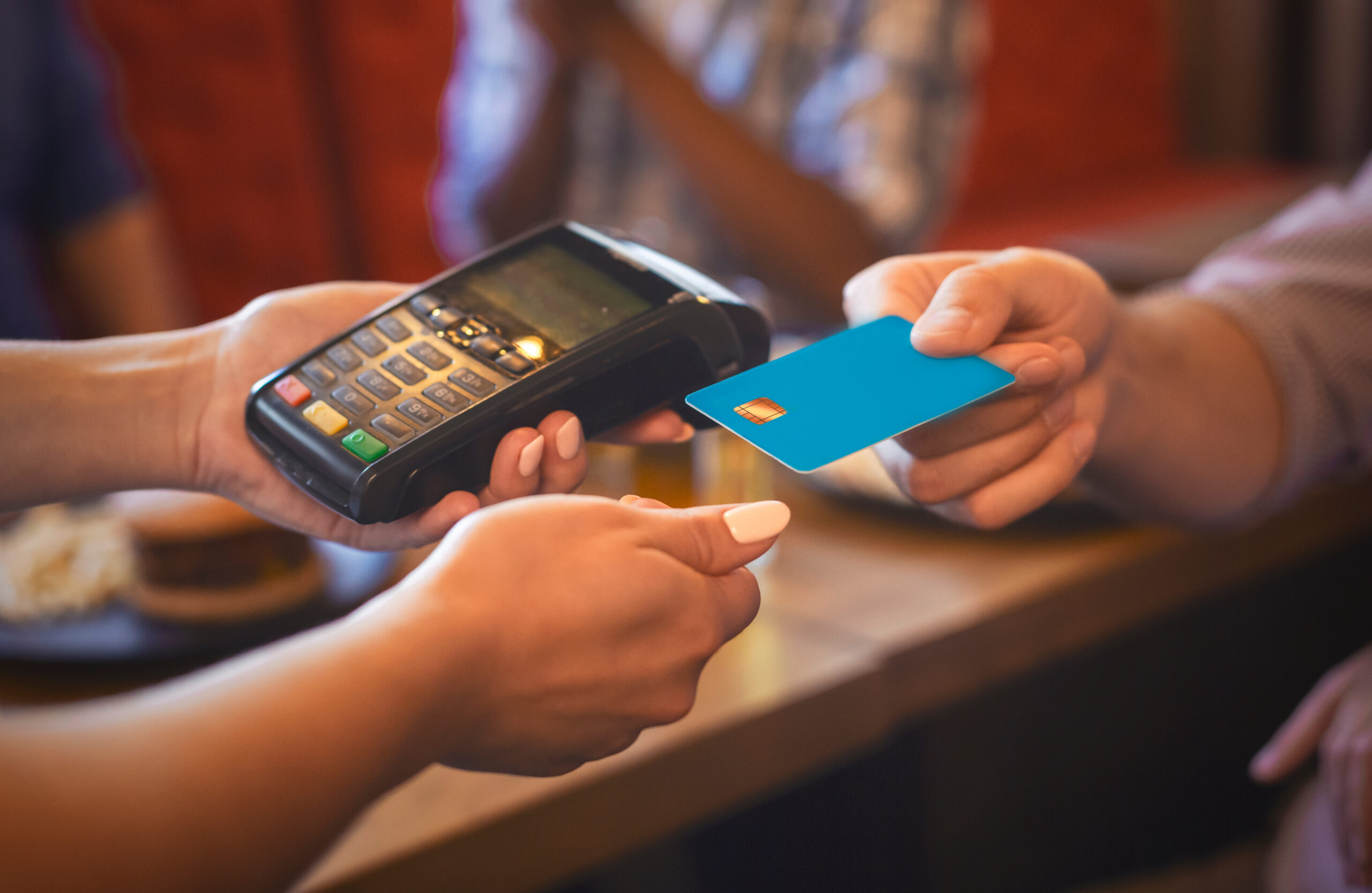
The digital euro would, moreover, complement coins, banknotes and bank cards. European consumers would thus have a new payment solution at their disposal to pay for all their purchases in Europe (in-store, online or even between individuals).
A universal means of payment
Currently, there are various payment methods in Europe, but none that can be used everywhere and free of charge. Cash, for example, cannot be used to pay for an online order. Meanwhile cards, linked to a bank account, often incur fees. And they are sometimes refused by certain retailers.
The aim of the digital euro is to be usable for both online and in-store payments, free of charge, and accepted by all retailers. It would be a universal payment method that everyone, consumers and businesses alike, could use.
How would this new payment method work?
Who could pay using the digital euro?
This new payment method would be available to anyone living in the eurozone, as well as those travelling there. French consumers would therefore have access to it in France, but also when they travel to another country using the euro.
Where can you pay with the digital euro?
In any European country that has adopted the euro as its official currency. So, within the 20 countries of the eurozone, you could use the digital euro in a German supermarket, an Italian restaurant or on a Belgian website. All businesses that accept digital payment methods (cards, smartphones, etc.) will also have to accept the digital euro.
Will the digital euro replace cash?
No, the digital euro is a complementary means of payment. There is no question of replacing cash or bank cards, but rather of allowing different payment methods to coexist in Europe to make everyday life easier for consumers.
Will the digital euro be compulsory?
No, there will be no obligation to use the digital euro. It will simply be an additional payment method available to European consumers.
How digital euro payments work?
According to the ECB’s current forecasts, the digital euro could be used in two distinct ways:
- Online: for example, by creating a virtual wallet on a smartphone. Several methods of use are under discussion (QR codes, personal keys, etc.)
- Offline: without the need for an internet connection, allowing in-store payments even when there is no network. You could for example load your digital euros in advance onto a card that can be used to make payments. Example: you load 100 euros onto this card. For this, you will need an Internet connection or access to an ATM. You can then freely spend these 100 euros without any internet connection. Once spent, to top up the card, you will need to connect online again.
Which apps allow you to manage a digital euro wallet?
The ECB will issue the digital euro, but it will not be the provider of wallets for consumers. It will be the banks that offer you a feature integrated into your banking app.
The digital euro will therefore likely be stored on your smartphone. You will also be able to download your digital euros onto a card.
What is the maximum amount you can pay with digital euros?
The ECB has set a personal limit of 3,000 euros. You will not be able to hold an unlimited amount of digital euros. There are several reasons for this limit:
- Prevent bank accounts from being drained in favour of the digital euro wallet. Furthermore, the digital euro will not earn interest.
- Limiting risks. Money stored in a digital wallet cannot be recovered if, for example, your phone is lost or stolen (see below).
The challenges of the digital euro
This new payment method, still at the project stage, raises several questions and is the subject of debate. Here are some initial answers regarding the use of the digital euro.
Will there be charges on digital euro transactions?
Paying with the digital euro would involve little or no additional fees, to make this payment method affordable for everyone. This would make life easier for European travellers, who sometimes face charges when withdrawing cash from an independent ATM abroad. But the aim is also to offer an affordable payment option compared to the account fees incurred when using a bank card.
What will be the benefits of the digital euro for consumers?
The digital euro should offer the benefits of digital payments whilst retaining the same characteristics as cash. It will therefore ensure anonymity and availability. You will be able to pay in digital euros, loaded in advance onto a physical card, without needing electricity or an internet connection.
The digital euro will also protect you against bank failures. Just like the cash you hold in your wallet, the ECB will issue and guarantee this currency.
What safeguards are in place if there is a problem with my digital euros?
Bank cards very often include insurance that protects you in the event of loss or theft of the card. If your phone is stolen, the protection of your digital euros will depend on the usage mode you have chosen.
- Online use: digital euros are held within your banking app. If you lose your phone, no one would be able to access them if access to your banking app is blocked (two-factor authentication required). You could still access your digital euros by logging in from another device.
- Offline use: digital euros are held in a digital wallet, topped up in advance via the internet or an ATM, and then stored locally on your phone. In this case, losing your phone is equivalent to losing your physical wallet. Its contents would be lost, unless you can remotely lock your phone. Offline use of digital euros would be comparable to cash.
Good to know: some banks cover your mobile phone as a payment method and provide insurance in the event of fraudulent use.
Tip: to minimise the risk of losing or having your digital euros stolen, you should opt for online mode for large amounts. Offline use should be limited to small amounts. Although this mode offers a high level of privacy, it is also the riskiest.
Will the digital euro be inclusive?
Yes, the aim of creating the digital euro is to make it accessible to everyone. This means including all citizens of the euro area, regardless of their location, age, internet access or digital skills. The digital euro would also serve as a means of payment for consumers who do not have a bank card or a mobile phone. This would, however, entail certain restrictions on the use of the digital euro. These individuals would only have access to basic services.
In practical terms, public bodies or post offices would handle the distribution of the digital euro to people without a bank account or a mobile phone. A card could, for example, be used for this purpose. In the absence of a bank account, you would need to deposit cash at your local post office, for example, to top up this card.
How can the confidentiality of digital euro be garuanteed?
A digital euro payment should require less data transfer than a bank card payment. The level of privacy should be as strong as cash for offline payments. It would rely on a direct transfer from the payer to the recipient, so no one could track the transaction. The ECB would not have access to users’ personal data, although some data collection will be necessary for the system to function. However, it will not be able to identify users. The digital euro aims to collect as little private information as possible, and this minimal collection must be carried out in accordance with personal data protection regulations and the General Data Protection Regulation (GDPR).
However, for online payments, banks will be able to track transactions in the same way as for card payments.
When is it expected to be introduced?
The ECB hopes for a potential first issuance of the digital euro in 2029.
In October 2025, the Governing Council (the ECB’s decision-making body) decided to move the project to the legislative phase. Whilst the ECB continues its technical work on the digital euro, the EU’s two legislative bodies must adopt the regulation on the digital euro.
Both the Council of the EU and the European Parliament have already come out in favour of creating the digital euro. Interinstitutional negotiations have now begun, with a view to reaching a political agreement on the draft legislation.
A pilot scheme is planned for the second half of 2027, with the first transactions taking place. However, the adjustments needed for the digital euro to reach our wallets will take several more years. You will likely have to wait until 2029 at the earliest to be able to pay with digital euros in Europe.
To find out more about the digital euro, the ECB has provided a list of frequently asked questions and a timeline of the next steps.
You may also be interested in
Funded by the European Union. Views and opinions expressed are however those of the author(s) only and do not necessarily reflect those of the European Union or the European Innovation Council and Small and Medium-sized Enterprises Executive Agency (EISMEA). Neither the European Union nor the granting authority can be held responsible for them.
Was this article helpful?

